
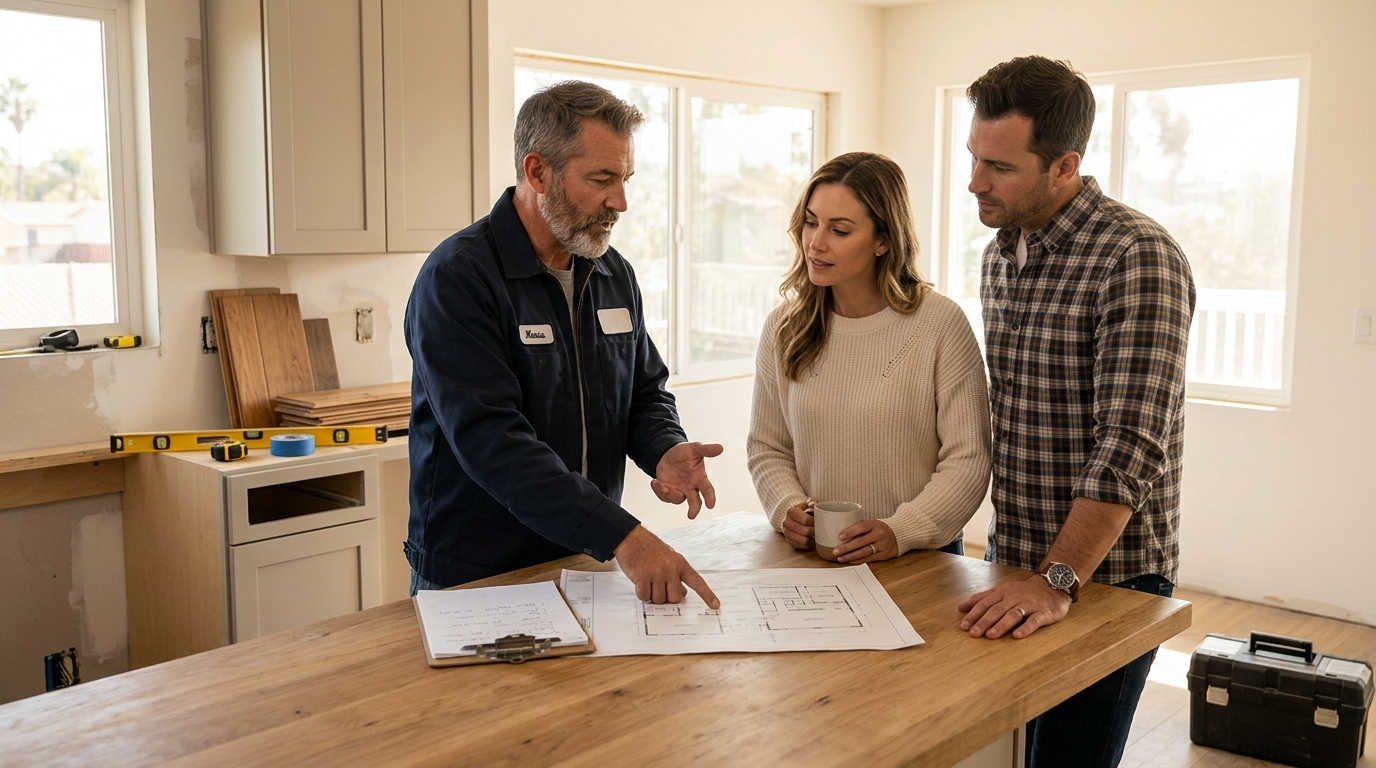
Effective contractor management is the disciplined coordination of scope, schedule, and budget to ensure renovation work is completed on time and within financial limits. For homeowners in North County San Diego, this process requires clear communication, verified credentials, and strict oversight to protect your investment. The Davis Group advises sellers to treat contractor coordination as a strategic project management task rather than a simple service request. By establishing clear expectations and maintaining regular check-ins, you can minimize delays and maximize your home's market appeal.
Define the Scope and Budget Early
Verify Credentials and Insurance
Before signing any contract, you must verify the contractor's legal and financial standing. A licensed contractor is a professional who has met the state's educational and examination requirements to perform specific types of construction work. In California, you can verify a contractor's license status through the Contractors State License Board (CSLB). This verification ensures that the individual or company is legally authorized to perform the work and is subject to state regulations.
Insurance verification is another non-negotiable step. You should request a certificate of insurance that proves the contractor carries general liability and workers' compensation coverage. This protection shields you from liability if a worker is injured on your property or if the work causes damage to your home. The Davis Group recommends that sellers always ask for these documents before the first day of work. This due diligence process filters out unprofessional operators and ensures you are working with a reputable partner who takes their business seriously.
Establish a Communication Protocol
Clear communication is the backbone of successful contractor management. A communication protocol is a set of agreed-upon rules regarding how and when updates will be shared between the homeowner and the contractor. You should decide on the preferred method of contact, such as email or text, and the frequency of updates, such as daily or weekly. This protocol prevents misunderstandings and ensures that you are always informed about the project's progress.
Scheduling regular check-ins is essential for maintaining momentum. You should plan for brief, scheduled meetings to review progress, address concerns, and approve any changes. These meetings should be kept to a specific time and duration to respect both parties' schedules. By establishing a consistent rhythm of communication, you build trust and ensure that any issues are addressed promptly before they escalate. This proactive approach is particularly important when preparing a home for sale, where timing is often critical.
Monitor Progress and Quality
Active monitoring is required to ensure that the work meets your standards and the agreed-upon scope. A quality control inspection is a systematic review of the work performed to verify that it meets the specified requirements and building codes. You should conduct these inspections at key milestones, such as the completion of framing, plumbing, and electrical work. These inspections should be documented with photos and notes to create a record of the work's quality.
Managing change orders is another critical aspect of monitoring. A change order is a formal document that modifies the original contract to reflect changes in scope, cost, or schedule. Any changes to the original plan should be documented in writing and signed by both parties before work proceeds. This practice prevents disputes over additional costs and ensures that you are only paying for work that you have explicitly approved. By maintaining strict oversight of progress and changes, you protect your budget and ensure that the final result meets your expectations.
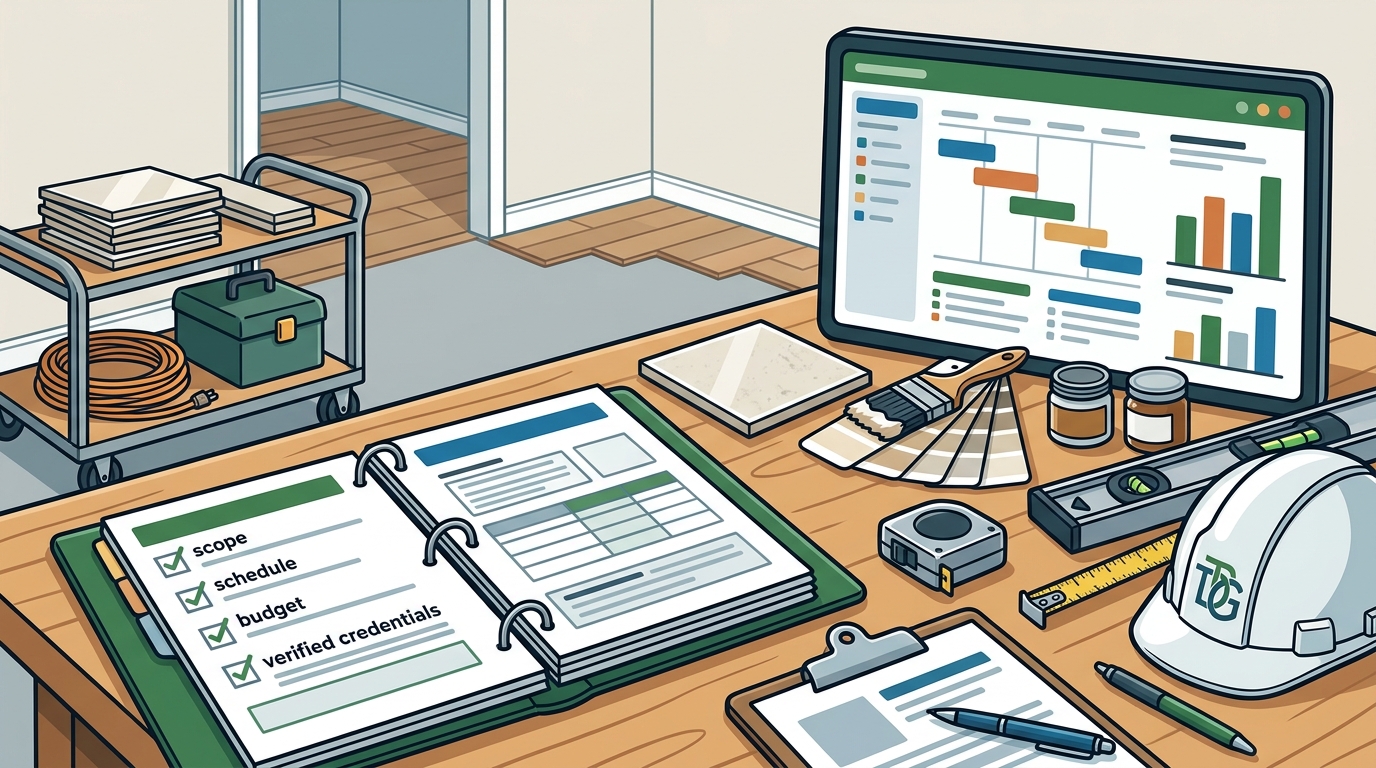
Finalize and Close Out the Project
The final phase of contractor management involves completing the work and settling all financial obligations. A punch list is a list of minor items that need to be corrected or completed before the project is considered finished. You should walk through the property with the contractor to identify any remaining issues and agree on a timeline for their completion. This final review ensures that the home is in the best possible condition for sale.
Retaining documentation is the last step in the process. You should collect all warranties, manuals, and receipts for materials and work performed. These documents are valuable for future maintenance and can be shared with potential buyers to demonstrate the quality of the renovations. The Davis Group advises sellers to organize these documents in a clear, accessible manner. This thorough close-out process ensures that you have a complete record of the work and are prepared to present the home to the market with confidence.
Key Takeaways
- Define a detailed project scope and firm budget before work begins to prevent cost overruns.
- Verify the contractor's license and insurance to protect yourself from liability and legal issues.
- Establish a clear communication protocol to ensure regular updates and minimize misunderstandings.
- Conduct quality control inspections at key milestones to verify that the work meets your standards.
- Document all change orders in writing to avoid disputes over additional costs.
- Create a punch list for final corrections and retain all warranties and documentation for future reference.
Frequently Asked Questions
How often should I meet with my contractor?
You should schedule regular check-ins, such as weekly meetings, to review progress and address any concerns. This frequency ensures that you stay informed and can make timely decisions.
What should be included in a project scope?
A project scope should include a detailed description of the work, specific materials to be used, and a timeline for completion. It serves as the blueprint for the entire project.
How do I verify a contractor's license in California?
You can verify a contractor's license through the Contractors State License Board (CSLB) website. This ensures that the contractor is legally authorized to perform the work.
What is a change order?
A change order is a formal document that modifies the original contract to reflect changes in scope, cost, or schedule. It should be signed by both parties before work proceeds.
Why is insurance verification important?
Insurance verification protects you from liability if a worker is injured or if the work causes damage to your property. It ensures that the contractor is financially responsible for any issues that arise.
How should I handle disputes with a contractor?
Address disputes promptly through open communication. If the issue cannot be resolved, you may need to seek mediation or legal advice. Documenting all interactions and agreements is crucial.
What documents should I retain after the project is complete?
You should retain all warranties, manuals, receipts, and change orders. These documents are valuable for future maintenance and can be shared with potential buyers.
How can I ensure the work meets building codes?
Ensure that the contractor is licensed and experienced in local building codes. Conduct inspections at key milestones and request that the contractor obtain any necessary permits.
Next Steps for Sellers
Managing contractors effectively is a critical skill for any homeowner preparing to sell. By following these steps, you can ensure that your home is renovated to the highest standard and is ready to attract the right buyers. The Davis Group is here to guide you through this process, leveraging our experience in home renovation and real estate to help you maximize your home's value. We understand the unique challenges of the North County San Diego market and can provide the strategic advice you need to make informed decisions. If you are considering selling your home, we encourage you to reach out for a consultation. Our team is dedicated to helping you achieve your real estate goals with integrity and expertise. Contact The Davis Group today to start your journey toward a successful sale.